How to Sequence a Yoga Class (Without Making It Feel Like Random Poses)
Have you ever taken a yoga class where halfway through you quietly wondered...
"How did we get here?"
One minute you're in Downward Dog.
The next you're balancing on one leg, twisting, reaching behind your back, and trying to remember which foot is supposed to be forward.
We've all been there.
When I first started teaching, I thought sequencing meant putting together a bunch of poses I liked. If the transitions were creative, even better.
Looking back... some of those classes probably felt more like a scavenger hunt than a yoga practice.
Thankfully, my students were patient.
Over time, I realized something. A good yoga class isn't just a collection of poses.
It's a conversation.
Every Pose Should Have a Reason
One of the easiest ways to improve your sequencing is to ask one simple question.
Why is this pose here?
Not because you like it. Not because you haven't taught it in a while.
Not because it looks impressive on Instagram but because it serves a purpose.
Every pose should prepare students for what's coming next...
...or help them recover from what just happened.
If it doesn't do either, it might be worth rethinking.
“Every pose should either prepare students for what’s next or help them recover from what just happened.”
Stop Chasing the Perfect Sequence
I think a lot of newer teachers put unnecessary pressure on themselves.
They spend hours trying to create the perfect class.
The most creative flow. The most unique transitions.
The sequence nobody has ever seen before.
Here's the thing.
Your students probably aren't hoping for a brand-new sequence every week.
They're hoping to leave class feeling better than they did when they walked in.
Those are two very different goals.
The best compliment I've ever received wasn't...
"That was such a creative sequence."
It was...
"That class was exactly what I needed today."
I'll take that one every single time.
Think Less About Poses. More About People.
This changed everything for me.
Before I even think about poses, I ask myself...
Who's coming to class today?
Someone who just finished a twelve-hour shift?
Someone training for a marathon?
Someone dealing with anxiety?
Someone who's never stepped on a yoga mat before?
The same sequence won't serve all of those people equally.
And that's okay.
Your job isn't to teach the sequence you planned.
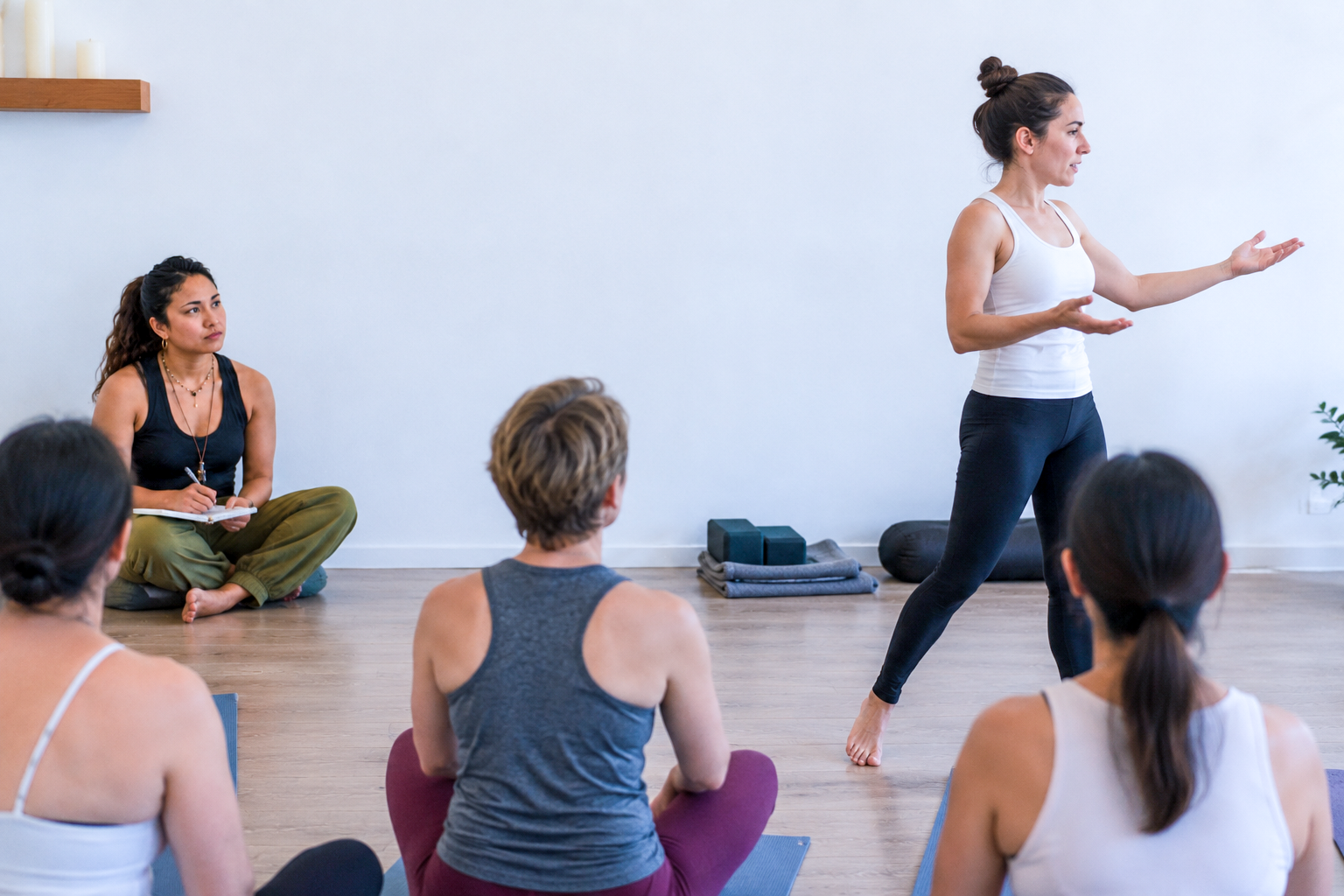
Your job is to teach the people in front of you.
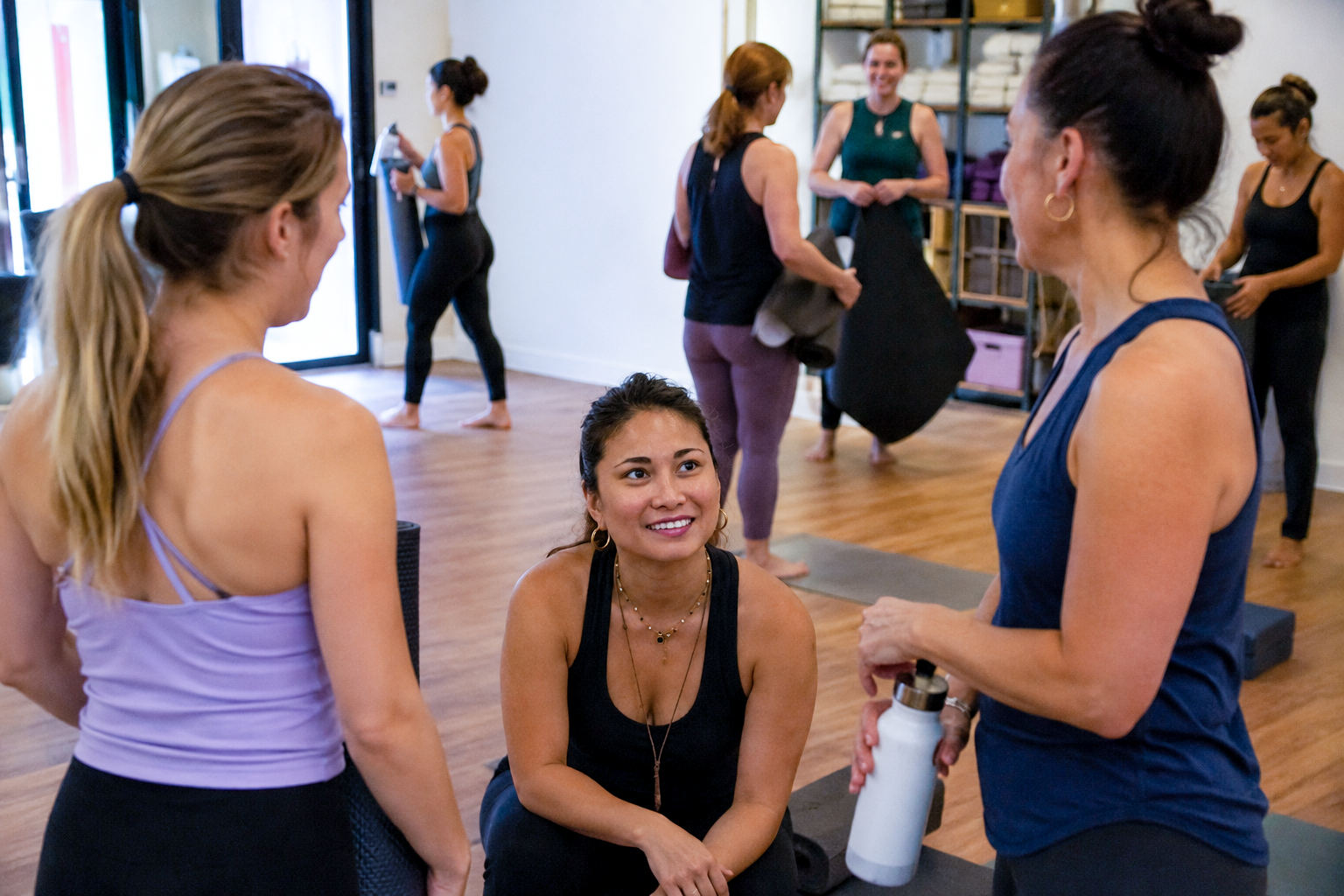
"You're not teaching the sequence you planned. You're teaching the people in front of you."
Build... Don't Surprise
Imagine asking someone to sprint before they've even started walking.
Sounds ridiculous, right?
But we sometimes do that in yoga.
We ask students to move into demanding poses before we've given their bodies a chance to prepare.
Instead, think about building.
Wake up the joints.
Introduce movement.
Create a little stability.
Add a little strength.
Increase the challenge.
By the time students arrive at the most demanding part of class, it shouldn't feel like a surprise.
It should feel like the next logical step.
When sequencing is done well, students often don't even notice it.
They just feel supported.
“Students shouldn’t arrive at the most challenging part of class by accident. They should arrive because everything before it prepared them for it.”
Not Every Class Needs a Peak Pose
I know.
Some teacher trainings encourage building every class around one impressive pose.
And if that works for you, great.
But I don't think every practice needs to end with something flashy.
Some of my favorite classes have never included arm balances.
Or inversions.
Or complicated transitions.
Instead...
Students left breathing easier. Standing taller.
Feeling more connected to themselves.
I'd call that a successful class.
Give Students Time to Arrive... and Time to Leave
One thing I notice a lot is that teachers are really good at starting class...
...or really good at ending it.
Not always both.
Sometimes we're so excited to get moving that we rush through the beginning.
Other times we realize we're running out of time and Savasana becomes five hurried breaths.
The beginning matters.
It gives students permission to let go of everything they carried in.
The ending matters just as much.
It's where the practice settles into the body.
Neither deserves to be rushed.
It's Okay to Change Your Mind
I'll let you in on something. I don't always teach the class I planned. I rarely plan at all.
Sometimes I walk into the room and immediately realize...
This isn't what these students need today.
Maybe everyone looks exhausted.
Maybe the energy is unexpectedly high.
Maybe someone shares something before class that changes the direction completely.
Changing your plan isn't a sign that you weren't prepared.
It's a sign that you were paying attention.
“A great sequence isn’t the one your students remember. It’s the one that helps them forget they’re thinking about the sequence at all.”
The Best Classes Feel Effortless
Students probably won't walk out saying,
"That sequence was biomechanically brilliant."
But they might say...
"That class just felt really good."
And honestly?
I think that's the better compliment.
Because good sequencing isn't about impressing people.
It's about creating an experience where every movement feels like it belongs.
Where students feel supported instead of surprised.
Where they leave moving a little easier...
Breathing a little deeper...
And maybe carrying a little less than when they arrived.
Continue Learning
If this article resonated with you, here are a few places to continue your journey. Whether you're looking for practical teaching tools or ready to deepen your understanding through mentorship and continuing education, I'd love to support you.
You May Also Enjoy